Jelly Honey: A Whimsical Font for Creative Branding
I was staring at a blank brand board one morning, sipping my coffee and wondering how to make the visual identity for a new boutique feel both inviting and unique. The client had shared their vision — a cozy, handcrafted space with a modern twist. It needed to feel approachable but not too casual, playful yet professional. That’s when I first opened the Jelly Honey font and started testing it out.
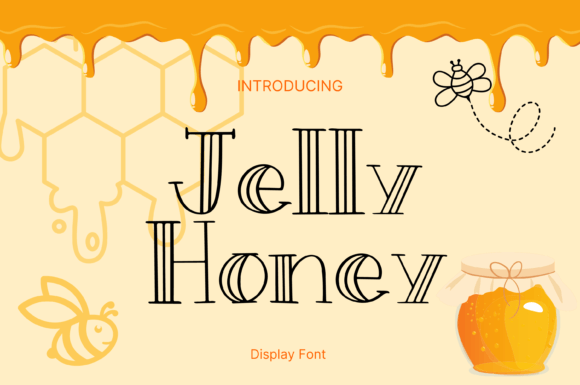
Jelly Honey is a whimsical and clean handwritten font that feels like it was scribbled by someone who loves what they do. It has this soft, organic flow that gives it a friendly and personal touch. Unlike other script fonts that can look too formal or too messy, Jelly Honey strikes a perfect balance between handwritten charm and readability. It's the kind of font that makes you smile when you see it on a label or a logo.
Testing Jelly Honey in Real Projects
I began by placing it on a logo draft. The initial mockup used a sans serif font, which felt too sterile for the boutique’s vibe. Switching to Jelly Honey immediately made the design feel warmer. The curves and gentle slant of the letters gave the logo a sense of movement and personality. It wasn’t just a name anymore — it felt like a greeting.
Next, I tested it on packaging mockups. The client wanted their product labels to stand out on store shelves, and Jelly Honey delivered. It worked beautifully on small surfaces without losing clarity. I noticed how it added character to everything from product tags to social media posts. It even looked great on Instagram stories, where the playful nature of the font helped increase engagement with the brand’s audience.
One thing I appreciated about Jelly Honey was how it could be paired with other typefaces. For the boutique’s website header, I combined it with a clean sans serif font. The contrast between the two created a nice visual hierarchy — Jelly Honey for headlines and the sans serif for body text. This combination kept the brand’s tone consistent while ensuring readability across different platforms.
Using Jelly Honey Across Different Design Elements
Jelly Honey isn’t just for logos. It works well as a display font in various branding elements. I used it for poster designs, flyers, and even printed marketing materials. On a shop sign, it didn’t feel too delicate or too bold — it fit right in with the boutique’s aesthetic. On business cards, it added a personal touch that made them feel more like keepsakes than just pieces of paper.
For digital use, it performed equally well. I placed it on a homepage hero section and noticed how it drew attention without overwhelming the viewer. Its subtle variations in stroke width and letter spacing made it feel intentional, not random. In editorial design, it worked as an accent font, adding flair to headings and pull quotes without distracting from the content.
When it came to product mockups, I experimented with using Jelly Honey on label stickers and packaging wraps. It added a sense of craftsmanship that aligned with the boutique’s theme. I also found that it worked surprisingly well on merchandise, like tote bags and mugs. It felt like the kind of font that belonged on something handmade.
Design Observations and Recommendations
If you're considering Jelly Honey for your next project, here are a few things to keep in mind. First, test it in real scenarios before committing. See how it looks on different backgrounds, sizes, and mediums. While it’s a display font, its legibility makes it suitable for short-form text, like taglines, headlines, or callouts.
Font pairing is another important aspect. Jelly Honey pairs well with serif fonts for a classic feel or with modern sans serifs for a fresh, contemporary look. If you're working on a brand system, ensure that Jelly Honey complements the rest of your typography choices without clashing.
Also, check if the font includes alternates, ligatures, or additional weights. These features can enhance your design work, especially if you’re creating detailed brand assets. For commercial use, confirm that the font license allows for the intended application, whether it's for print, web, or digital media.
In terms of file formats, Jelly Honey should ideally support OTF or TTF for maximum compatibility. Multilingual support is always a bonus, especially if your brand operates in multiple regions or languages.
Overall, Jelly Honey is a versatile font that brings a sense of warmth and creativity to any project. Whether you're designing a logo, a website, or a packaging layout, it adds that extra spark that makes your work stand out. It’s the kind of font that doesn’t just look good — it feels right.